
Understanding Utility Surveys in Surrey
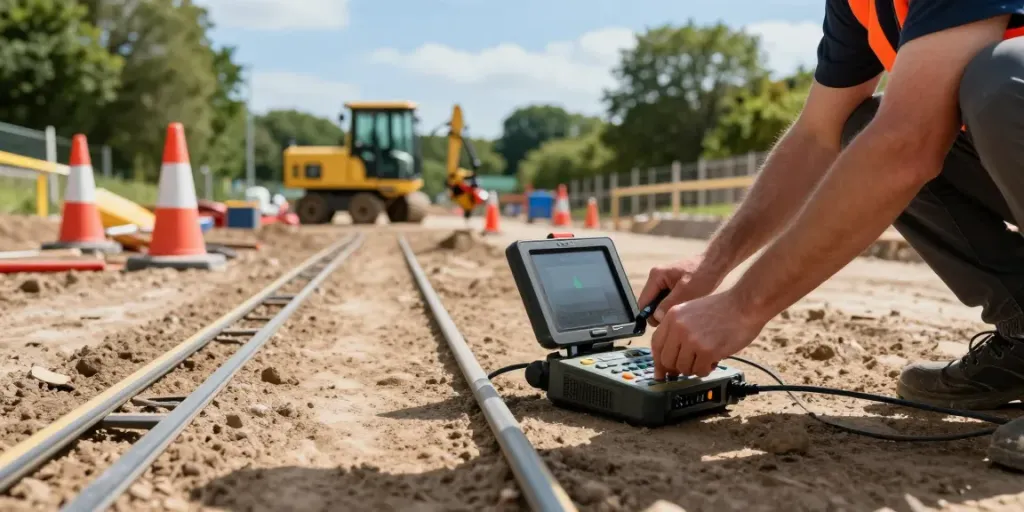
Utility surveys are an essential aspect of modern construction and engineering practices, particularly in dynamic regions like Surrey. These surveys help identify the various utility lines and infrastructures that lie underground, which are critical for any development project. By implementing comprehensive utility surveys, project managers can mitigate risks and enhance the efficiency of their operations, ultimately leading to safer and more successful projects. When exploring options, Utility Survey Surrey provides comprehensive insights into these critical services.
What is a Utility Survey?
A utility survey is a systematic approach to locating and mapping underground utilities, such as water, gas, electricity, telecommunications, and sewer lines. These surveys typically employ advanced technologies to provide accurate data on the position, depth, and condition of subsurface utilities. There are various levels of utility surveys, from basic identification to detailed mapping compliant with national standards such as PAS 128, which ensures high-quality results for stakeholders.
The Importance of Utility Surveys for Projects
Incorporating utility surveys into project planning and execution is paramount. Firstly, these surveys prevent accidental damage to existing utilities during excavation or construction, which can lead to costly repairs and project delays. Secondly, they help in meeting regulatory requirements and ensuring adherence to safety standards. Lastly, obtaining accurate utility data aids in resource allocation and project planning, ultimately driving project success.
Key Techniques Used in Utility Surveying
Various techniques can be employed during utility surveying to obtain the most reliable results:
- Ground Penetrating Radar (GPR): This non-invasive method uses radar pulses to image the subsurface, providing precise data on utility locations and structures.
- Electromagnetic Location (EML): This technique involves detecting electromagnetic fields emitted by buried utilities, which is particularly effective for metallic pipes and cables.
- Hydrographic Surveys: These surveys are conducted in water bodies to locate submerged utilities and structures.
- Signal Transmitter Techniques: These involve the use of signal transmitters to send signals through conductive materials to map out the utilities.
Benefits of Utility Surveying in Construction
Minimising Risks with Accurate Utility Mapping
One of the most significant benefits of utility surveying is the reduction of risks associated with construction projects. By accurately mapping the location of underground utilities, contractors can avoid inadvertently damaging them during excavation. This proactive approach minimizes both financial liabilities and safety concerns, as hitting a gas line or electrical cable can endanger lives and lead to severe consequences.
Enhancing Project Efficiency and Safety
Utility surveys contribute to enhanced project efficiency by providing vital information that informs planning and design stages. By knowing the precise positions and depths of existing utilities, engineers can design around them rather than in conflict. Moreover, ensuring that all stakeholders are aware of the underground landscape enhances overall safety protocols on site.
Saving Time and Reducing Costs with Utility Surveys
Accurate utility mapping can lead to substantial savings in time and costs. Early identification of potential issues allows for adjustments in project timelines and resource allocation, reducing the likelihood of costly delays. Furthermore, having complete data on underground utilities can streamline the construction process, allowing teams to work more effectively and avoid unnecessary interruptions.
Technology in Utility Surveying
Advanced Ground Penetrating Radar (GPR) Techniques
Ground Penetrating Radar has revolutionised the way utility surveys are conducted. This technology enables surveyors to create high-resolution images of sub-surface structures without the need for disruptive digging. The use of GPR allows for faster assessments and more detailed mapping, providing clients with a clear overview of what lies beneath the surface.
Comparing Utility Surveying Technologies
When comparing different surveying technologies, it is essential to consider the specific needs of the project. While GPR offers detailed imaging, electromagnetic location techniques may be more efficient for certain applications. Moreover, hydrographic surveys are invaluable for projects near bodies of water. Ultimately, a combination of these technologies often yields the best results, delivering comprehensive utility maps tailored to the project's requirements.
Future Trends in Utility Survey Technology
The future of utility surveying technology is promising, with innovations continuously emerging. Developments in artificial intelligence and machine learning are expected to enhance data analysis, allowing for better predictive models and assessments of existing infrastructure. Additionally, the integration of drones into utility surveying will provide aerial views and enable surveying of hard-to-reach areas, enhancing efficiency and safety in data collection.
Choosing the Right Utility Surveying Company
Evaluating Qualifications and Expertise
When selecting a utility surveying company, it is crucial to evaluate their qualifications and expertise. Look for companies that are accredited by relevant professional bodies and have a proven track record in the industry. Check their certifications and inquire about staff training and experience levels, as these factors significantly influence the quality of service provided.
Understanding Service Offerings and Compliance
It is also essential to understand the range of services offered by the surveying company. Companies should provide a comprehensive suite of services, including PAS 128 compliance, which ensures that the utility survey meets industry standards. Furthermore, inquire about their health and safety policies, as compliance with regulations is critical in the surveying industry.
Customer Testimonials and Case Studies
Before finalising your choice, review customer testimonials and case studies to assess the company's reliability and quality of service. Genuine feedback from previous clients will provide insights into the company's performance and customer service. Look for firms that showcase their successful projects, which can help in making an informed decision.
FAQs about Utility Surveying in Surrey
How much does a utility survey cost?
The cost of a utility survey can vary significantly based on factors such as the size of the area being surveyed, the complexity of the site, and the surveying methods employed. Generally, prices can range from a few hundred to several thousand pounds. It's advisable to obtain quotes from multiple surveying companies to gauge the market rate.
What types of projects require utility surveys?
Utility surveys are essential for a range of projects, including construction and development, roadworks, trenching, and any activity that involves ground disturbance. Additionally, utility surveys are often mandated by regulatory bodies before any significant excavation works.
Can I conduct a utility survey myself?
While DIY utility survey kits are available, professional surveys are generally recommended due to the complexity and potential risks involved. Professional surveying companies employ trained experts and advanced technology to ensure accuracy and compliance with safety standards.
How does a utility survey help in construction projects?
Utility surveys provide critical data that helps in avoiding the disruption of existing utilities, ensuring compliance with regulations, and facilitating effective project planning. By identifying potential issues before construction begins, these surveys can save time and costs while enhancing project safety.
What regulations govern utility surveying in Surrey?
Utility surveying in Surrey is governed by several regulations and standards, primarily outlined by the British Standards Institution (BSI) and the Institution of Civil Engineers (ICE). Understanding these regulations is vital for compliance and maintaining safety standards in utility surveys.